What Is Menopause?
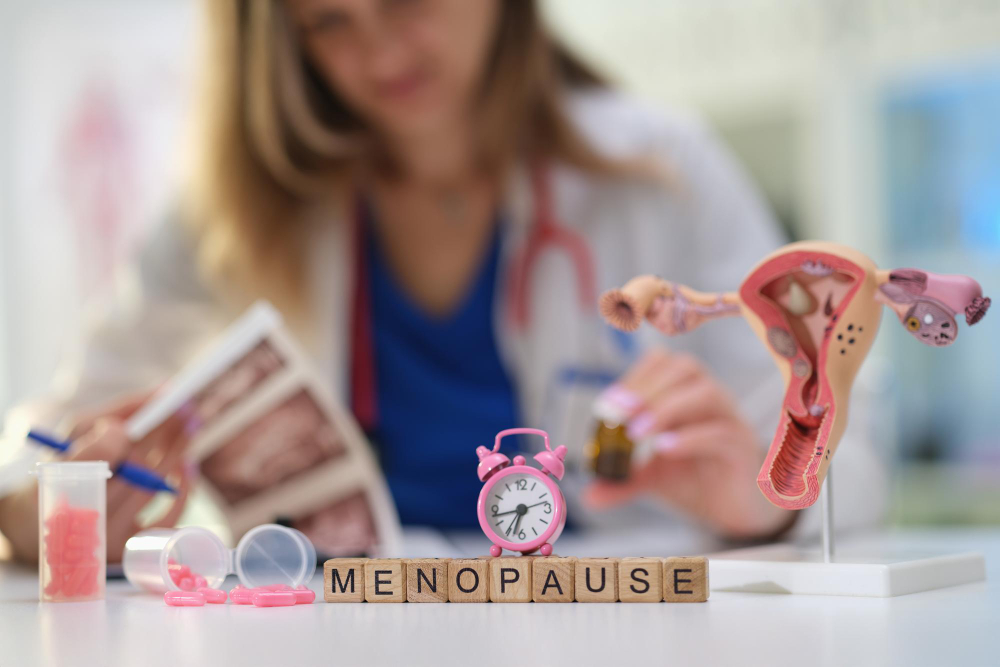
Menopause marks the end of a woman’s monthly periods. Usually, it happens between ages 45 and 55. During this time, the body makes less estrogen and progesterone. As a result, periods stop. Menopause support is important because this change can affect how women feel, both physically and emotionally. For many women, this stage is natural but can bring new health needs. According to the World Health Organization, menopause is a normal part of aging for women.
Common Symptoms of Menopause
Many women notice changes as menopause begins. However, symptoms can vary from person to person. Some women have mild symptoms, while others may find them more bothersome. Common menopause symptoms include:
Because these symptoms can affect daily life, menopause support can help women feel better and stay healthy.
Causes and Risk Factors
Menopause happens when the ovaries stop making certain hormones. As a result, periods end. While age is the main cause, some factors may affect when menopause starts. For example, smoking can lead to earlier menopause. Surgery to remove the ovaries or some cancer treatments can also cause early menopause. Family history may play a role as well. Although every woman will go through menopause, the timing and symptoms can differ.
How Menopause Is Diagnosed
Doctors usually diagnose menopause based on symptoms and age. If a woman has not had a period for 12 months, she is likely in menopause. Sometimes, doctors may order blood tests to check hormone levels. However, these tests are not always needed. In some cases, doctors may check for other health issues that can cause similar symptoms. Early diagnosis helps women get the menopause support they need.
Effective Menopause Support Strategies
With the right menopause support, women can manage symptoms and feel better. Support can come from family, friends, and healthcare providers. For instance, talking with a doctor about symptoms is helpful. Many women find support groups useful, too. These groups let women share tips and learn from others going through similar changes. In addition, counseling can help with mood changes or stress. Because every woman is different, support should match her needs.
Medical Treatments for Menopause Symptoms
Doctors may suggest medical treatments to ease menopause symptoms. Some common options include:
Before starting any treatment, it is important to talk with a doctor. Not all treatments are right for everyone. Therefore, doctors will suggest the safest options based on a woman’s health and symptoms.
Lifestyle Tips for Managing Menopause
Healthy habits can make a big difference during menopause. For example, regular exercise helps with mood and keeps bones strong. Eating a balanced diet with enough calcium and vitamin D also supports bone health. Many women find that dressing in layers helps with hot flashes. In addition, avoiding spicy foods, caffeine, and alcohol may reduce night sweats. Practicing relaxation techniques, such as deep breathing or yoga, can lower stress. Because sleep can be hard, keeping a regular bedtime routine is helpful.
Preventing Complications During Menopause
Although menopause is natural, it can raise the risk of some health problems. For instance, lower estrogen levels can weaken bones and raise the risk of osteoporosis. Heart health may also be affected. Therefore, regular check-ups with a doctor are important. Doctors may suggest bone density tests or cholesterol checks. Staying active, eating well, and not smoking can help prevent complications. With the right menopause support, women can protect their health during this change.