Introduction
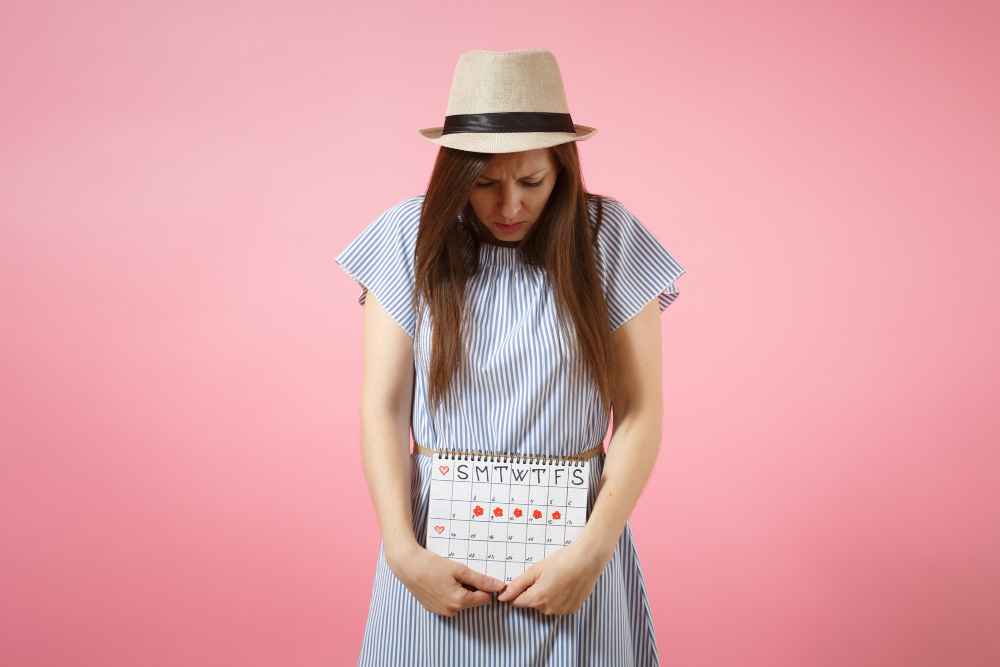
Many women experience irregular periods at some point. However, when these changes happen often, it may be due to a condition called PCOS. PCOS and irregular periods are closely linked. Understanding the causes, symptoms, and treatments can help you manage your health better.
What is PCOS?
PCOS stands for Polycystic Ovary Syndrome. It is a common health problem in women of childbearing age. With PCOS, the ovaries may not work as they should. As a result, hormone levels become unbalanced. This can lead to missed or irregular periods. According to the CDC, PCOS affects about 1 in 10 women.
How Does PCOS Cause Irregular Periods?
Normally, the ovaries release an egg each month. But with PCOS, this process may not happen regularly. Because of hormone changes, the ovaries may not release eggs on time. Therefore, periods can become irregular or even stop for months. In some cases, women may have fewer than eight periods a year.
Common Symptoms of PCOS and Irregular Periods
PCOS can cause many symptoms. However, each woman may experience them differently. Some of the most common signs include:
Sometimes, women may also have trouble getting pregnant. But not everyone with PCOS will have all these symptoms.
Causes and Risk Factors
Doctors do not know the exact cause of PCOS. However, several factors may play a role. These include:
Because of these factors, some women are more likely to develop PCOS and irregular periods.
Diagnosis Methods
Doctors use several steps to diagnose PCOS and irregular periods. First, they ask about your symptoms and medical history. Next, they may do a physical exam. In addition, doctors may order tests such as:
Because other health issues can cause irregular periods, it is important to rule them out. Only a doctor can confirm if you have PCOS.
Treatment Options for PCOS and Irregular Periods
Treatment for PCOS depends on your symptoms and health goals. While there is no cure, many options can help manage the condition. Some common treatments include:
In many cases, lifestyle changes are also important. For example, losing even a small amount of weight can help regulate periods and improve symptoms.
Prevention Tips and Lifestyle Guidance
While you cannot always prevent PCOS, healthy habits can help manage symptoms. Here are some tips:
Because these steps support overall health, they can also help reduce the risk of other problems linked to PCOS.
When to See a Doctor
If you notice irregular periods, heavy bleeding, or other symptoms of PCOS, it is important to talk to a doctor. Early diagnosis and treatment can help prevent long-term health issues. In addition, see a doctor if you are trying to get pregnant but have trouble. Remember, only a healthcare provider can give you the right advice for your needs.
Conclusion
PCOS and irregular periods can affect many parts of your life. However, with the right care, you can manage symptoms and stay healthy. If you have concerns, consult a gynecologist Dr. Sreeja Lingam for personalized advice on PCOS and irregular periods.